What Is the Sports Medicine Injury Prevention (SMIP) Program in the Marine Corps?
The Sports Medicine Injury Prevention (SMIP) program is a Marine Corps initiative that embeds certified athletic trainers and sports medicine professionals directly within operational units and training commands to reduce musculoskeletal injuries among service members. By integrating evidence-based screening, injury prevention planning, and rehabilitation support into daily training, SMIP aims to keep Marines physically ready and mission-capable.
If you are a certified athletic trainer looking for a career that merges clinical expertise with meaningful impact, understanding the SMIP program is an essential first step. Marine Corps sports medicine injury prevention represents one of the most dynamic and growing niches in military healthcare, and the need for qualified professionals continues to expand.
History and Development of SMIP in the USMC
The Marine Corps has long recognized that non-battle injuries — particularly musculoskeletal conditions resulting from rigorous physical training — are a primary threat to operational readiness. Musculoskeletal injuries account for approximately 60 to 70 percent of all limited duty cases across the Marine Corps, and the service branch spends an estimated $1.5 billion annually on related healthcare costs and lost duty time.
In response, the Marine Corps developed the SMIP model to move injury prevention upstream — shifting from reactive treatment to proactive risk mitigation. Rather than waiting for injuries to sideline service members, SMIP places sports medicine professionals at the point of training, where they can identify risk factors, modify training loads, and intervene before injuries occur.
The program grew alongside broader Marine Corps fitness initiatives, including the High Intensity Tactical Training (HITT) program launched in 2012, which introduced periodized, functional training methodologies across installations. SMIP and HITT share a common objective: building more resilient, physically capable Marines while reducing the injury burden that undermines unit strength.
SMIP Program Goals: Reducing Non-Battle Injuries and Enhancing Readiness
The core goals of the SMIP program include:
- Reducing training-related musculoskeletal injuries, which average approximately 20 to 25 injuries per 100 Marines per year during initial entry training
- Minimizing lost duty time by identifying at-risk service members before injuries occur and supporting faster return-to-duty outcomes
- Enhancing combat readiness by maintaining the physical capacity of every Marine in a given unit
- Generating actionable data through injury surveillance systems that inform training modifications at the command level
These goals align directly with the Marine Corps' broader force health protection priorities, making SMIP professionals integral to readiness rather than peripheral to it.
How SMIP Fits Within the Marine Corps Health and Readiness Ecosystem
SMIP programs typically operate under Marine Corps Community Services (MCCS), specifically within the Semper Fit and Health Promotion divisions. This organizational placement is significant: it means SMIP athletic trainers work alongside fitness professionals, health educators, and operational commanders rather than exclusively within medical treatment facilities.
This structure allows SMIP professionals to maintain a presence on training grounds, in gyms, and at unit physical training sessions — precisely where injury prevention has the greatest impact.
Cognito Systems, a joint venture of Resolution Think and QuarterLine, staffed by Planned Systems International (PSI), supports the Marine Corps' mission of protecting force readiness by connecting qualified certified athletic trainers with SMIP and related military healthcare positions across key installations. PSI's role is to ensure that the professionals embedded in these programs have the credentials, clinical skills, and cultural readiness to succeed in the military healthcare environment.
The SMIP Role: What Athletic Trainers Actually Do in the Marine Corps
Understanding the day-to-day reality of a SMIP position is critical for any athletic trainer considering this career path. The work is clinically rigorous, operationally demanding, and fundamentally different from traditional sports medicine settings.
Day-to-Day Responsibilities of a SMIP Athletic Trainer
A typical day for an athletic trainer in a Marine Corps sports medicine injury prevention role might include:
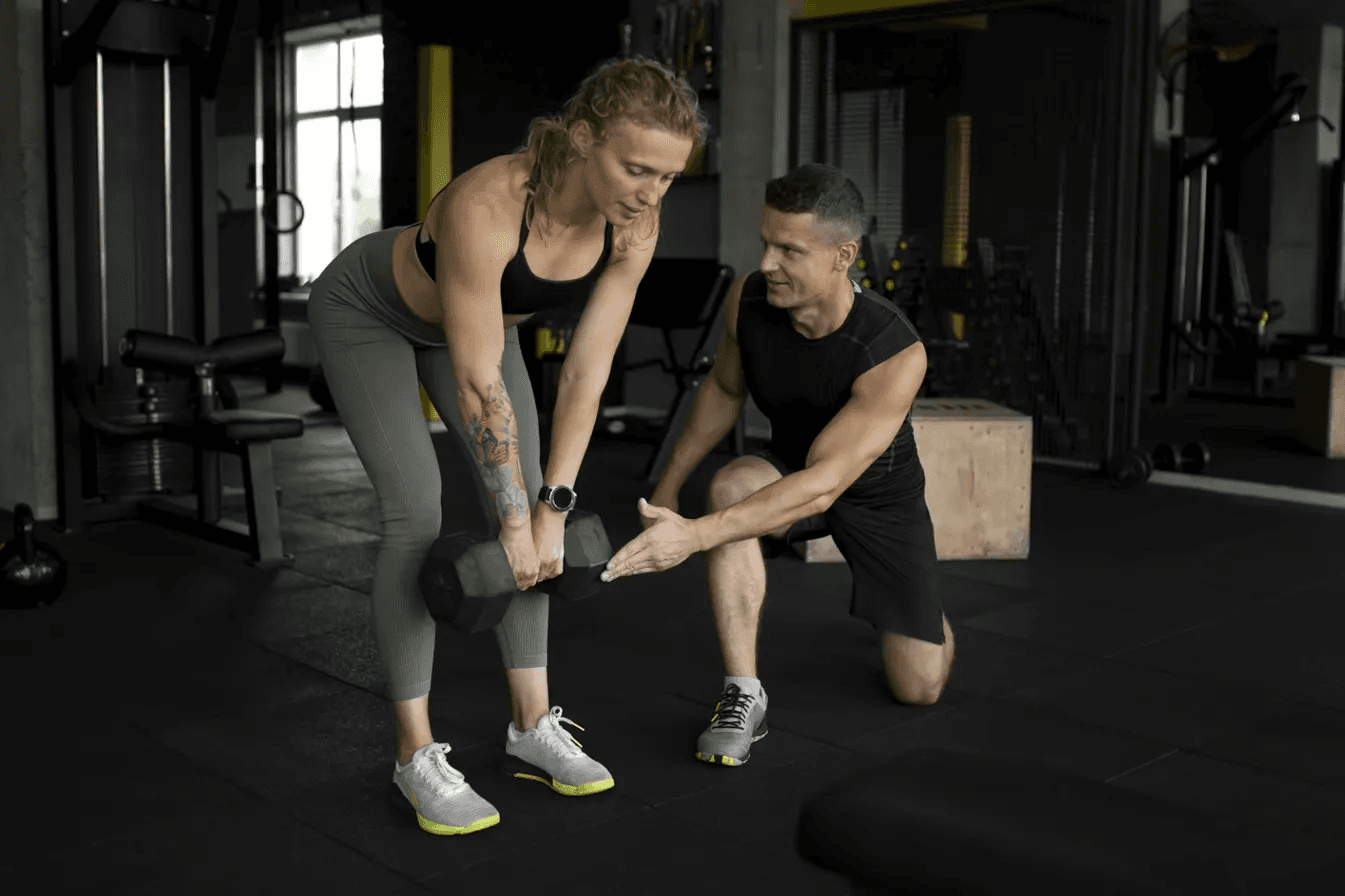
- Conducting movement screenings and physical assessments for incoming Marines or units preparing for deployment
- Delivering injury prevention education briefs to platoon leaders, company commanders, and individual service members
- Providing sideline or training-ground coverage during high-risk physical events such as obstacle courses, ruck marches, or combatives training
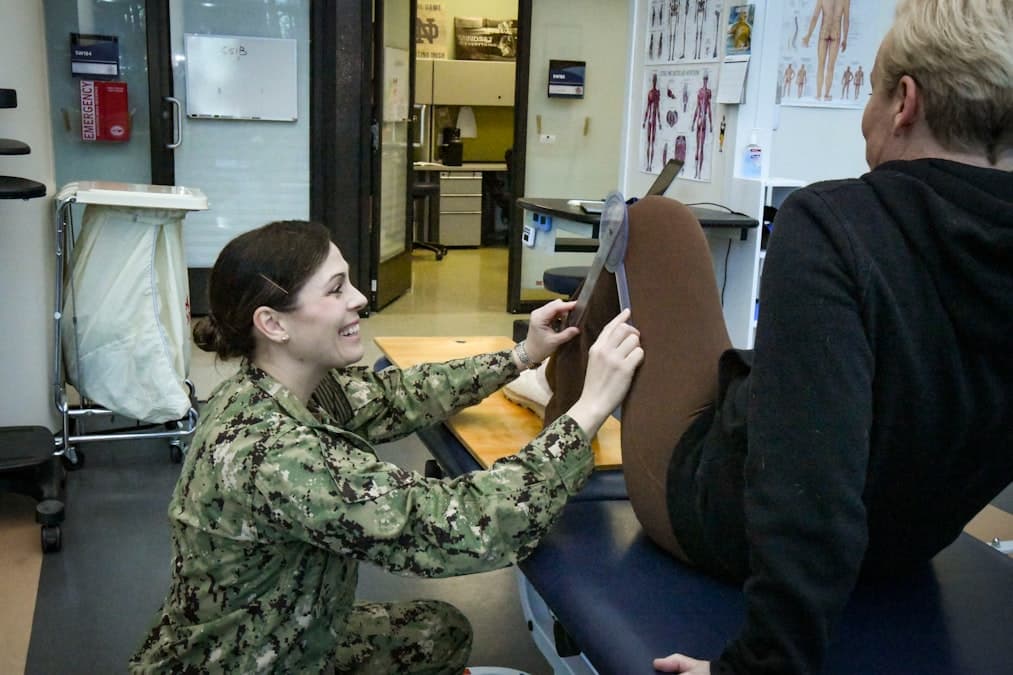
- Evaluating acute musculoskeletal injuries and providing initial treatment, taping, bracing, and rehabilitation exercises
- Collaborating with physical therapists, physicians, and strength and conditioning specialists on return-to-duty plans
- Collecting and analyzing injury data to identify trends within specific units, training cycles, or populations
- Recommending training modifications to commanding officers based on injury surveillance findings
Movement Screening and Injury Risk Identification
Movement screening is a cornerstone of the SMIP approach. Tools such as the Functional Movement Screen (FMS) and similar evidence-based assessment protocols help SMIP athletic trainers identify biomechanical deficiencies, mobility restrictions, and asymmetries that increase injury risk.
These screenings are often conducted at scale — sometimes across entire companies or battalions — and the results feed into individualized corrective exercise programs. The goal is not to pull Marines from training but to modify their preparation so they can train harder and more safely.
Developing Unit-Level Injury Prevention Plans
Unlike a traditional sports medicine setting where you might work with individual athletes, the SMIP role frequently requires you to think at the population level. You will develop injury prevention plans tailored to specific units based on their training schedules, physical demands, injury history, and operational timeline.
For example, a unit preparing for a deployment workup may have different injury prevention needs than a recruit training battalion at Marine Corps Recruit Depot Parris Island. Your plans must account for the unique stressors each population faces.
Return-to-Duty Protocols and Rehabilitation Support
When injuries do occur, SMIP athletic trainers play a critical role in facilitating efficient return-to-duty outcomes. This involves collaborating with military medical providers, designing progressive rehabilitation programs, and monitoring service members through graduated return-to-training protocols.
In the military context, "return to duty" carries operational weight. Every day a Marine spends on limited duty affects unit strength and readiness metrics. Your ability to safely accelerate recovery without compromising long-term health is one of the most valued skills in this role.
Injury Surveillance and Data Reporting
SMIP professionals are expected to maintain detailed records of injury encounters, screening results, and intervention outcomes. This data serves multiple purposes: it validates the effectiveness of the injury prevention program, informs future training policy, and provides commanding officers with objective readiness information.
If you thrive on evidence-based practice and appreciate the power of data to drive clinical decisions, the reporting component of the SMIP role will feel both natural and rewarding.
Ready to Take the Next Step?
Join our team and make a meaningful impact on military readiness while advancing your athletic training career.
Explore SMIP positions at Camp Lejeune➜How SMIP Differs from Traditional Sports Medicine Athletic Training
Tactical Athletes vs. Competitive Athletes: A Different Population
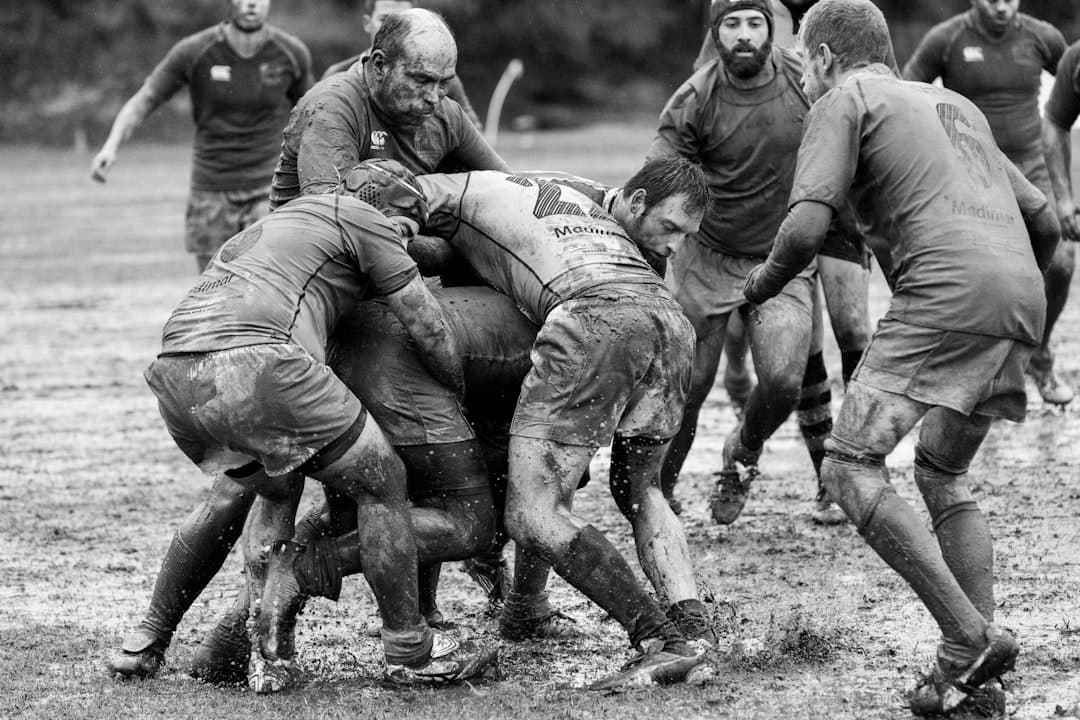
Marines are tactical athletes, and the distinction matters. The physical demands placed on service members — load carriage, obstacle navigation, combatives, sustained endurance under stress — differ substantially from the demands of competitive sport. Injury patterns, risk factors, and performance goals are all shaped by the operational mission rather than a game schedule.
You will work with a population whose "season" never ends. There is no off-season for recovery. Training intensity, environmental exposure, and psychological stress are often sustained at levels that exceed what most competitive athletes experience over the course of a career.
Working Within Military Command Structures
One of the most significant adjustments for athletic trainers transitioning from civilian settings to SMIP roles is learning to operate within military command structures. Your clinical recommendations must be communicated through the appropriate chain of command, and your ability to build trust with unit leaders directly influences how effectively your injury prevention strategies are implemented.
This does not diminish your clinical autonomy. It means that effective communication, cultural competence, and an understanding of military priorities become essential professional skills.
Operational Tempo and Its Impact on Injury Prevention Strategies
Operational tempo — the pace and intensity of military activities — fluctuates based on training cycles, deployment schedules, and mission requirements. SMIP athletic trainers must adapt their injury prevention strategies accordingly, scaling up surveillance during high-tempo periods and using lower-tempo phases to address underlying risk factors through corrective exercise programming.
Scope of Practice Considerations in the Military Setting
Your scope of practice in a SMIP role is governed by state licensure, BOC certification standards, and the specific requirements of your employer (whether a defense contractor or a government entity). Working in a military setting does not expand or restrict your clinical scope by default, but it does place your work within a collaborative healthcare team that may include military physicians, physical therapists, and corpsmen. Understanding where your scope begins and ends — and communicating that clearly — is essential.
Qualifications and Requirements for SMIP Positions
Education and Certification Requirements
Most SMIP athletic trainer positions require:
- A master's degree in athletic training or a closely related field
- Board of Certification (BOC) certification as an athletic trainer
- Current state licensure (or eligibility for licensure in the state where the installation is located)
- Current CPR/AED certification
These are typically minimum requirements. Competitive candidates often hold additional credentials that demonstrate advanced clinical and performance knowledge.
Security Clearance and Background Check Requirements
Because SMIP positions are located on military installations, you will need to pass a background investigation. Most positions require at minimum a National Agency Check with Inquiries (NACI) or equivalent. Some roles at certain installations may require a higher-level security clearance depending on the nature of the work and the units supported.
Preferred Experience and Additional Certifications
Hiring managers and contracting organizations frequently prioritize candidates who hold one or more of the following:
- Certified Strength and Conditioning Specialist (CSCS) through the NSCA
- Functional Movement Screen (FMS) certification
- Corrective Exercise Specialist (CES) or equivalent
- Previous experience working with military or tactical athlete populations
- Experience with injury surveillance data systems and reporting
If you are a recent graduate or early-career athletic trainer interested in SMIP roles, investing in an FMS or CSCS certification can significantly strengthen your application. These credentials signal to hiring organizations that you understand the performance-based demands of tactical athlete populations.
Contractor vs. Government Employee (GS) Pathways
SMIP athletic trainer positions are filled through two primary pathways:
-
Defense contractors such as PSI hire certified athletic trainers to support SMIP programs under government contracts. These positions typically offer competitive salaries, benefits packages, and the opportunity to work directly on Marine Corps installations without enlisting.
-
Government Service (GS) positions are federal civilian roles that may be available through MCCS or other Department of Defense hiring channels. These positions carry federal employee benefits, including the Federal Employees Retirement System (FERS) and Thrift Savings Plan (TSP).
Both pathways allow you to serve Marine Corps populations as a civilian. You do not need to enlist or commission to work in a SMIP role.
Where SMIP Athletic Trainers Are Stationed
Major Marine Corps Installations with SMIP Programs
Key installations where SMIP and related sports medicine injury prevention positions are commonly available include:
- Marine Corps Base Camp Lejeune, North Carolina
- Marine Corps Base Camp Pendleton, California
- Marine Corps Recruit Depot (MCRD) Parris Island, South Carolina
- Marine Corps Recruit Depot (MCRD) San Diego, California
- Marine Corps Base Quantico, Virginia
- Marine Corps Air Station Cherry Point, North Carolina
- Marine Corps Base Camp Butler, Okinawa, Japan (OCONUS)
Recruit Depot Roles vs. Operational Force Roles
SMIP positions at recruit depots focus heavily on the initial entry training population, where injury rates are highest. You will encounter a high volume of overuse injuries, stress fractures, and musculoskeletal conditions associated with the rapid physical transition recruits undergo.
Operational force roles at installations like Camp Lejeune or Camp Pendleton focus on Marines who are already trained but preparing for deployments, advanced training schools, or sustained operational readiness cycles. These roles may involve more direct collaboration with special operations units, infantry battalions, or other combat-arms commands.
Deployment and Travel Considerations
Most SMIP positions are installation-based, meaning you report to a fixed location. However, some roles may require temporary travel to support training exercises, pre-deployment screenings at remote sites, or inter-installation collaboration. Overseas positions, such as those in Okinawa, offer the opportunity to support forward-deployed Marines in the Pacific theater.
The Impact of SMIP: Evidence and Outcomes
Injury Reduction Statistics from Marine Corps Injury Prevention Programs
Research on evidence-based injury prevention programs in military settings consistently demonstrates that structured interventions can reduce musculoskeletal injuries by 25 to 50 percent. The Marine Corps has invested in SMIP precisely because the data supports a clear return on investment in terms of both health outcomes and operational readiness.
Cost Savings and Readiness Improvements
With the Marine Corps spending an estimated $1.5 billion annually on musculoskeletal injury-related costs, even modest reductions in injury rates translate into significant savings. Beyond financial metrics, the readiness impact is substantial: every Marine who avoids a preventable injury remains available for training, deployment, and mission execution.
Case Studies: SMIP Success Stories at Marine Corps Installations
At installations where SMIP programs have been fully implemented, commanders report measurable declines in limited duty rates, improved Physical Fitness Test (PFT) and Combat Fitness Test (CFT) scores, and greater Marine satisfaction with health and wellness resources. While specific case study data varies by installation and reporting period, the consistent trend is clear: embedding sports medicine professionals at the unit level produces outcomes that traditional clinic-based models cannot match.
Ready to Take the Next Step?
Join our team and make a meaningful impact on military readiness while advancing your athletic training career.
Explore SMIP positions at Camp Pendleton➜How to Land a SMIP Athletic Trainer Role with a Military Contractor
Top Employers Hiring for SMIP and Military AT Positions
Defense contractors are the primary hiring channel for SMIP athletic trainer positions. PSI is among the organizations that recruit certified athletic trainers for Marine Corps sports medicine injury prevention contracts. Other defense health contractors may also post SMIP-related positions, particularly during contract award and renewal cycles.
Salary Expectations and Benefits for SMIP Athletic Trainers
Salaries for SMIP athletic trainers vary based on geographic location, installation, and the specific contract. In general, military contractor athletic trainer positions offer salaries that are competitive with or exceed median civilian athletic trainer compensation. According to the Bureau of Labor Statistics, athletic trainer employment is projected to grow 17 percent through 2031, with military-sector demand growing faster than the overall average.
Benefits packages through defense contractors typically include health insurance, paid time off, retirement plan contributions, and in some cases relocation assistance or housing allowances for positions in high-cost areas or overseas locations.
How PSI Supports Athletic Trainers in Military Healthcare Careers
PSI serves as a bridge between qualified athletic trainers and Marine Corps sports medicine injury prevention opportunities. The organization provides guidance on credentialing requirements, supports the onboarding and security clearance process, and ensures that professionals placed in SMIP roles have the resources they need to deliver excellent care from day one.
PSI's commitment to military healthcare extends beyond placement. By investing in the professional development and long-term career satisfaction of the athletic trainers it employs, PSI helps ensure continuity of care for the Marines who depend on SMIP programs.
Application Tips and Interview Preparation for SMIP Roles
To position yourself competitively for a SMIP athletic trainer role:
- Tailor your resume to emphasize injury prevention, movement screening, and population health experience rather than focusing exclusively on acute care or rehabilitation
- Demonstrate cultural awareness by researching the Marine Corps' mission, values, and organizational structure before your interview
- Highlight data skills — experience with injury tracking, outcomes reporting, or electronic medical records systems is a differentiator
- Prepare to discuss evidence-based protocols you have used or would implement, including FMS, corrective exercise programming, and training load management strategies
- Be ready to explain how you communicate clinical recommendations to non-medical stakeholders, since this skill translates directly to working within military command structures
Before applying, review current job postings on the PSI careers page and on USAJobs.gov to understand the specific qualifications and experience levels different installations are seeking. Requirements can vary meaningfully between recruit depot positions and operational force roles.
SMIP vs. Other Military Branch Injury Prevention Programs
Army Injury Prevention and Performance Directorate (IPPD) Comparison
The Army's approach to injury prevention has evolved significantly with the Holistic Health and Fitness (H2F) system, which includes embedded athletic trainers, strength and conditioning coaches, physical therapists, dietitians, and cognitive performance specialists within brigade-level units. The Army's model is broader in scope, integrating injury prevention into a comprehensive human performance optimization framework.
The Marine Corps SMIP model is more focused on sports medicine and musculoskeletal injury prevention specifically, with a tighter operational footprint. Both programs value certified athletic trainers, but the scope of practice and team composition differ.
Navy and Air Force Injury Prevention Programs
The Navy operates physical therapy readiness (PTR) programs that incorporate some injury prevention elements, though athletic trainer roles are less formalized than in Marine Corps or Army programs. The Air Force has expanded its human performance teams in recent years, particularly within Special Operations Command, but installation-level injury prevention programs for conventional forces remain less mature.
Why the Marine Corps SMIP Model Is Unique
The Marine Corps SMIP model is distinctive for several reasons:
- Its emphasis on embedding athletic trainers directly within training environments rather than clinical settings
- Its integration with Semper Fit and the HITT program, creating a cohesive fitness and injury prevention ecosystem
- Its focus on the unique demands of Marine Corps training, which includes some of the most physically intense initial entry and operational training in the Department of Defense
- Its reliance on certified athletic trainers as the primary injury prevention professionals, reflecting the profession's expertise in musculoskeletal assessment, emergency care, and rehabilitation
Frequently Asked Questions About SMIP Roles for Athletic Trainers
Frequently Asked Questions
Explore More
- Marine Corps SMIP Program: A Career Guide for Athletic Trainers
- Marine Corps SMIP Program: Complete Career Guide for Athletic Trainers
- Athletic Trainer Jobs in Military Healthcare: Complete 2026 Guide
Ready to take the next step? View open positions and apply today.
Ready to Serve? Start Your Military Healthcare Career
Join our team and make a difference serving in Army H2F and Marine Corps SMIP programs across the United States.
Apply Now➜