Marine Corps SMIP Program: Complete Career Guide for Athletic Trainers
The Marine Corps Sports Medicine Injury Prevention (SMIP) program represents one of the most impactful career opportunities available to athletic trainers today. This comprehensive guide explores the program's mission, structure, career pathways, compensation, and what it takes to succeed as a SMIP athletic trainer.
Understanding the SMIP Mission
The SMIP mission is to reduce preventable musculoskeletal injuries, optimize human performance, and ensure Marines remain ready for the demands of combat operations. This is achieved through proactive injury prevention, evidence-based screening, and immediate access to sports medicine expertise.
The Challenge SMIP Addresses
The Marine Corps has long recognized that musculoskeletal injuries represent a significant threat to readiness. Studies have shown that:
- Training-related injuries cost hundreds of millions of dollars annually
- Injury rates are highest during initial training and pre-deployment workups
- Many injuries are preventable with proper screening and intervention
Traditional military medicine operates primarily on a sick-call basis. Marines develop symptoms, seek care, and receive treatment. SMIP takes a proactive approach, identifying risk factors before they become injuries.
The SMIP Difference: A New Model of Care
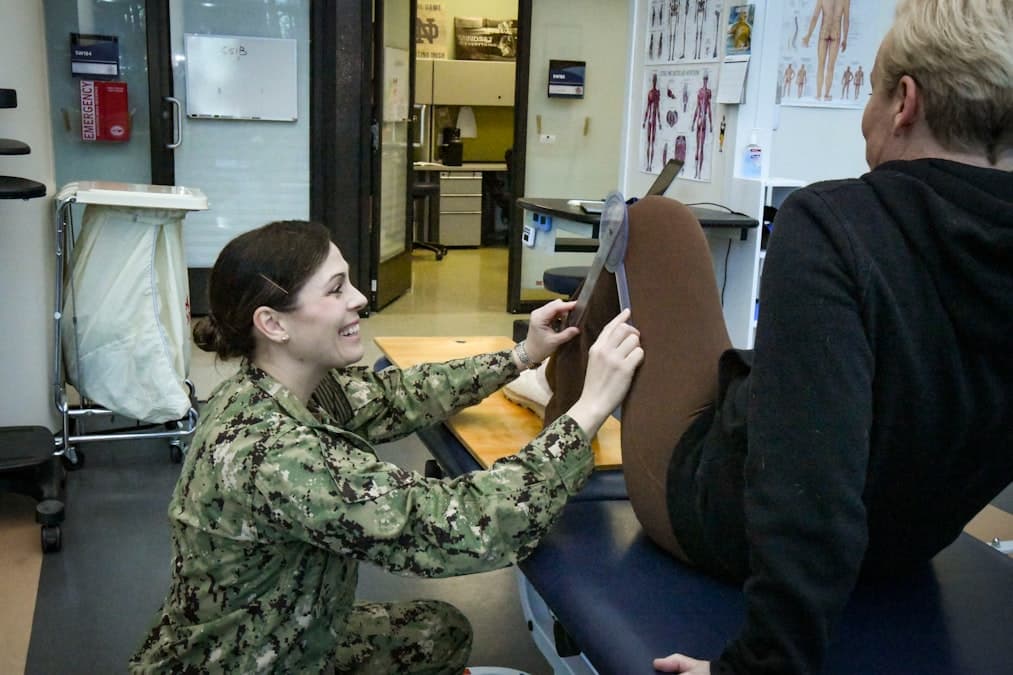
Rather than requiring Marines to travel to a medical facility, SMIP athletic trainers are embedded within units, providing immediate access to care and building relationships with Marines and leadership.
While treatment remains important, SMIP emphasizes performance optimization and injury prevention. The goal is to keep Marines operating at peak capability.
Core Responsibilities of SMIP Athletic Trainers
Injury Prevention and Screening
- Conducting functional movement screens on all Marines in your unit
- Identifying biomechanical risk factors and movement deficiencies
- Designing and implementing unit-wide injury prevention programs
- Educating Marines and leaders on injury prevention strategies
- Monitoring training loads and recovery to prevent overuse injuries
Acute Care and Injury Management
- Immediate assessment and triage of acute injuries
- On-field emergency care and stabilization
- Determination of return-to-training or referral decisions
- Coordination with military medical facilities for advanced care
- Documentation in military medical systems
Rehabilitation and Return to Duty
- Designing individualized rehabilitation protocols
- Progressing Marines through functional return-to-duty milestones
- Coordinating with physical therapists and physicians
- Conducting return-to-duty testing and clearance
- Monitoring Marines post-clearance to prevent re-injury
Education and Program Development
- Developing prehabilitation programs for high-risk movements
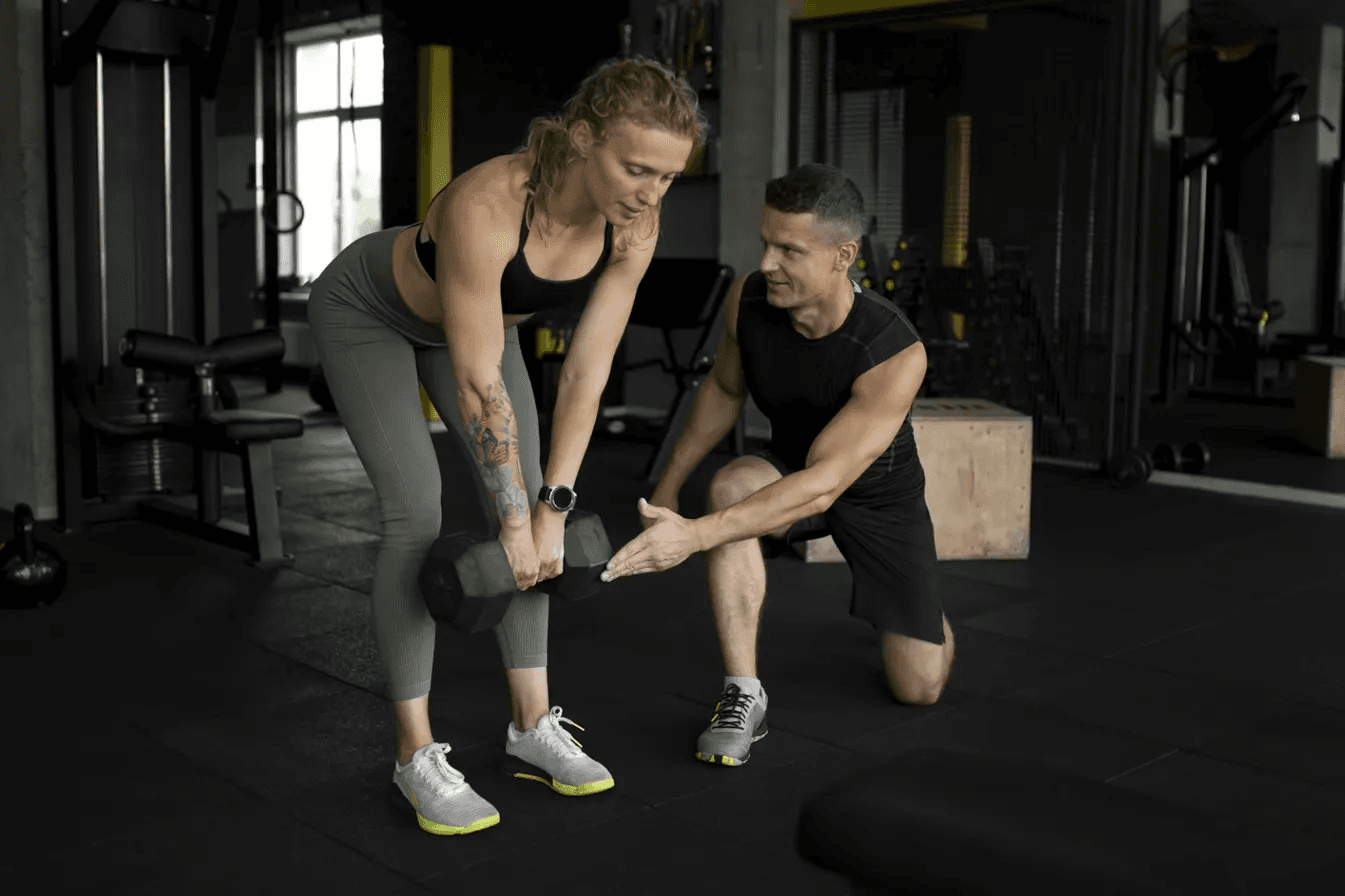
- Teaching proper lifting and movement mechanics
- Advising on training program design
- Conducting workshops on recovery and self-care
- Supporting pre-deployment physical preparation
- Advising commanders on training modifications to reduce injury risk
- Educating junior Marines on self-care and injury prevention
- Training corpsmen and unit personnel in basic sports medicine
- Presenting injury trends and prevention strategies to leadership
- Contributing to unit operational planning
The Work Environment
Field Operations
You may accompany Marines during field training exercises, operating in austere conditions while providing injury prevention and care services.
Garrison Operations
During non-field periods, you work from dedicated SMIP spaces or medical facilities, conducting screenings, providing treatments, and coordinating with medical staff.
Pre-Deployment Periods
Pre-deployment workup periods are high-tempo, with intensive training schedules that require vigilant injury monitoring and prevention efforts.
Daily Integration
You attend unit physical training to observe movement patterns, identify risks, and provide immediate interventions.
The embedded nature of SMIP means you become part of the unit. Marines see you daily, trust is built quickly, and your ability to impact readiness is significantly greater than in a traditional clinic setting.
SMIP Locations and Structure
SMIP athletic trainers are stationed at Marine Corps installations across the United States and overseas, embedded at the battalion level.
Locations
- Marine Corps Base Camp Lejeune, North Carolina
- Marine Corps Base Camp Pendleton, California
- Marine Corps Air Ground Combat Center Twentynine Palms, California
- Marine Corps Base Quantico, Virginia
- Marine Corps Air Station Miramar, California
- Marine Corps Recruit Depot Parris Island, South Carolina
- Marine Corps Recruit Depot San Diego, California
- Marine Corps Base Albany, Georgia
- Marine Corps Air Station Cherry Point, North Carolina
- Marine Corps Air Station Beaufort, South Carolina
- Marine Corps Base Hawaii, Kaneohe Bay
- Camp Hansen, Okinawa, Japan
- Camp Schwab, Okinawa, Japan
- Camp Foster, Okinawa, Japan
- Various rotating deployments and exercises
Unit Types
- Artillery Battalions - Working with field artillery Marines
- Recruit Training - Injury prevention during initial training
- Special Operations - Supporting elite Marine units
- Aviation Units - Supporting Marine air wings
Qualifications and Requirements
Required Credentials
- BOC Certification - Current Athletic Trainer Certified (ATC) credential in good standing
- State Licensure - Valid license in the state of practice (PSI assists with obtaining necessary licenses)
Experience Preferences
- New graduates are welcome and actively recruited
- Experience with active populations and orthopedic conditions is valuable
- Prior military or tactical population experience is beneficial but not required
Essential Competencies
Technical Skills
- Proficiency with electronic medical records
- Comfortable with technology and military systems
- Strong documentation and communication abilities
- Able to work in field environments and tactical settings
- Capacity to lift and move equipment and potentially assist with patient movement
- Able to keep pace with Marines during physical training observations
Professional Characteristics
- Adaptability and flexibility
- Understanding and respecting Marine Corps culture
- Clear, professional communication that respects the chain of command
- Strong collaboration and teamwork abilities
- Self-directed approach with knowing when to seek consultation
- Passion for injury prevention
- Ability to work with highly motivated individuals
- Tangible commitment to military readiness
Cultural and Environmental Fit
The Marine Corps operates in a dynamic, often challenging environment. You must be comfortable with changing plans, field conditions, and high operational tempo.
Understanding and respecting Marine Corps culture is essential. While you remain a civilian, you must integrate effectively with the military environment.
You work with Marines of all ranks, from private to colonel. Clear, professional communication that respects the chain of command is critical.
SMIP athletic trainers collaborate with corpsmen, physical therapists, physicians, and unit leadership. Success requires strong teamwork.
As the embedded sports medicine expert, you often work independently and must be self-directed while knowing when to seek consultation.
If you are passionate about injury prevention, enjoy working with highly motivated individuals, and want to make a tangible impact on military readiness, SMIP may be an excellent fit regardless of your prior military exposure.
Salary, Benefits, and Compensation
SMIP athletic trainers employed through PSI receive competitive compensation packages that reflect the specialized nature of the work and the importance of the mission.
Compensation Overview
SMIP athletic trainers receive competitive compensation that varies based on education, experience, location, and certifications.
Education and Credentials
- Master's degree holders typically earn toward the higher end of the range
- Additional certifications (CSCS, FMS, SFMA) may increase compensation
- Specialty skills like dry needling or manual therapy are valued
Experience Level
- Compensation increases with clinical experience, from entry-level through senior positions
Geographic Differentials
- Okinawa and overseas locations include overseas cost of living adjustments (COLA)
- Hawaii includes locality adjustments
- Some CONUS locations have geographic pay differentials
- Special operations support roles may command premium compensation
Career Advancement
- Recruit training assignments at Parris Island or San Diego
- Leadership and coordination roles for experienced athletic trainers
Health and Wellness Benefits
- Medical insurance with multiple plan options
- Dental and vision insurance
- Prescription drug coverage
- Mental health and wellness support
- Health savings accounts or flexible spending accounts
Retirement and Financial Benefits
- 401(k) retirement plan with employer match
- Life insurance and AD&D coverage
- Short-term and long-term disability insurance
- Financial planning resources
Time Off and Leave
- Paid time off accrual beginning immediately
- Federal holiday observance
- Sick leave
- Parental leave options
- Military leave for reserve/guard members
Professional Development
- Annual CEU allowance for BOC recertification
- Conference attendance support
- Advanced certification reimbursement
- Tuition assistance for advanced degrees
- In-house continuing education opportunities
- Professional mentorship programs
Relocation and Housing Support
- Housing allowance or government quarters
- Utility allowances
- Travel reimbursement for home leave
- Shipment of household goods
- Support for family relocation
SMIP vs. H2F (Army): A Comparison
| Aspect | SMIP (Marine Corps) | H2F (Army) | |--------|-------------------|-----------| | Assignment Model | Embedded in battalion-level units | Centralized in Brigade facilities | | Primary Focus | Injury prevention and readiness | Holistic performance optimization | | Population | Marines (typically smaller units) | Soldiers (larger brigade formations) | | Work Environment | Mix of field and garrison, more austere | Primarily facility-based | | Team Structure | Often solo provider with corpsman support | Multidisciplinary performance team | | Facility Quality | Variable, sometimes limited resources | State-of-the-art purpose-built centers | | Cultural Environment | Marine Corps ethos, expeditionary mindset | Army culture, emphasis on systems |
Both programs offer meaningful work and excellent career opportunities. The choice often comes down to personal preference for work environment and military culture.
How to Apply for SMIP Positions
Step 1: Prepare Your Application Materials
- Updated professional resume
- Cover letter expressing interest in SMIP
- Copies of BOC certification and state license(s)
- Unofficial transcripts from athletic training program
- Professional references (3 recommended)
Step 2: Submit Through PSI Careers Portal
Complete the application through the PSI careers portal, uploading all required documents.
Step 3: Initial Review and Screening
The PSI recruitment team reviews applications within one week. Qualified candidates receive a phone screening to discuss:
- Your background and clinical experience
- Interest in the SMIP program and Marine Corps environment
- Available positions and locations
- Salary expectations and timeline
Step 4: Interviews
Selected candidates proceed to interviews with PSI leadership and potentially Marine Corps program managers. Topics include:
- Clinical philosophy and injury prevention experience
- Ability to work in challenging environments
- Cultural fit and communication skills
- Specific questions about available positions
Step 5: Offer and Onboarding
If selected, you receive:
- Formal job offer with compensation details
- Benefits enrollment information
- Security clearance paperwork
- Medical clearance requirements (for overseas positions)
- Onboarding schedule
Step 6: Preparation and Training
PSI provides extensive preparation before you begin:
- Orientation to Marine Corps culture and rank structure
- Training on military medical systems
- Introduction to SMIP protocols and expectations
- Safety briefings for your specific location
- Mentorship assignment with experienced SMIP athletic trainers
Frequently Asked Questions
Why Choose SMIP?
The decision to pursue a SMIP career is significant. Here's why athletic trainers consistently find SMIP to be one of the most rewarding applications of their skills:
Direct Impact on National Security
Your injury prevention work directly affects operational readiness and mission success. When you keep a Marine ready for deployment, you contribute to national security in a tangible way.
Working with Elite Athletes
Marines are among the most motivated, disciplined individuals you will ever work with. They take ownership of their recovery, follow protocols, and push themselves to return to duty.
Professional Autonomy
As the embedded sports medicine expert, you have significant autonomy in program design and implementation. You are not just following protocols; you are creating them.
Cultural Immersion
For those interested in military culture, SMIP offers deep immersion in Marine Corps traditions, values, and community. You become part of the unit in a way that clinic-based positions cannot match.
Work-Life Balance
Despite the demanding environment, SMIP offers better work-life balance than many traditional athletic training settings. Predictable schedules during garrison periods, federal holidays, and generous PTO support sustainability.
Financial Security
Competitive salaries, excellent benefits, and job security through government contracting provide financial stability that allows you to focus on clinical excellence.
Future Opportunities
SMIP experience opens doors to numerous other opportunities in military healthcare, government contracting, tactical athlete programs, and specialized civilian roles.
The Bottom Line
If you want to test yourself in a challenging environment, work with an elite population, and make a real difference in readiness and injury prevention, SMIP represents an opportunity that few other settings can match. This is athletic training at its most impactful.
Take the Next Step
The Marine Corps SMIP program continues to expand, with positions available at installations across the United States and overseas. PSI is the leading provider of SMIP athletic training services, connecting qualified athletic trainers with these unique opportunities.
Ready to explore a SMIP career? Visit the PSI careers portal to learn about current openings and begin your application today.
About Planned Systems International
Explore More
- Marine Corps Sports Medicine Injury Prevention: SMIP Role
- Athletic Trainer Jobs in Military Healthcare: Complete 2026 Guide
Ready to take the next step? View open positions and apply today.
Planned Systems International (PSI) partners with the Marine Corps to deliver exceptional sports medicine and injury prevention services through the SMIP program. Learn more at athletictrainerjob.com
Ready to Serve? Start Your Military Healthcare Career
Join our team and make a difference serving in Army H2F and Marine Corps SMIP programs across the United States.
Apply Now➜