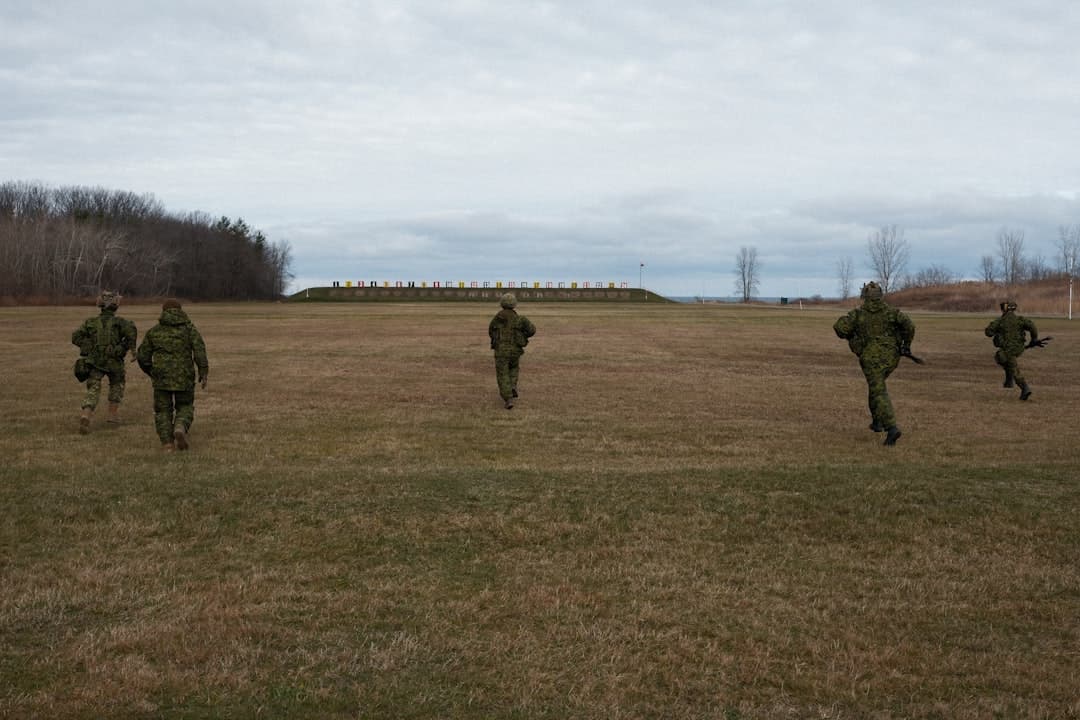
Introduction: Understanding the Military Athletic Training Landscape
The Department of Defense has become one of the fastest-growing employers of certified athletic trainers in the United States. As musculoskeletal injury prevention and physical performance optimization have risen in priority for military readiness, two Army programs have emerged as the primary career pathways for athletic trainers who want to serve the military population: the Holistic Health and Fitness (H2F) program and the Soldier/Sportsmedicine and Injury Prevention (SMIP) program.
If you are a certified athletic trainer weighing your options in military healthcare, understanding the differences between H2F and SMIP is essential. Each program offers distinct clinical environments, professional development trajectories, compensation structures, and lifestyle considerations. Yet most available information covers these programs in isolation, leaving you to piece together a comparison on your own.
This guide provides the direct, side-by-side analysis you need to make an informed career decision.
Why Military Athletic Training Is a Growing Career Field
Military musculoskeletal injuries account for a substantial portion of all medical encounters across the armed forces, driving billions of dollars in healthcare costs and reducing unit readiness. In response, the Army has invested heavily in proactive, prevention-focused care models that place athletic trainers at the point of need — whether that is in a brigade motor pool or a military medical treatment facility (MTF).
The FY2023 National Defense Authorization Act allocated over $340 million to the H2F program alone, signaling strong and sustained Congressional support. Combined with longstanding SMIP installations, the overall demand for athletic trainers in military settings continues to expand.
Quick Overview: What Are H2F and SMIP?
The difference between H2F and SMIP comes down to where and how you practice. H2F embeds athletic trainers directly within operational Army units at the brigade level as part of interdisciplinary performance teams. SMIP positions athletic trainers within or adjacent to military medical treatment facilities, operating under the military medical chain of command. Both require BOC certification and focus on musculoskeletal injury prevention, but they differ significantly in scope, structure, and day-to-day experience.
What Is the H2F Program? A Deep Dive
History and Development of H2F
The Holistic Health and Fitness program was officially established by Army EXORD 219-21 in 2020 and codified in FM 7-22 (Holistic Health and Fitness). It represents a paradigm shift in how the Army approaches soldier readiness — moving from a reactive medical model to a proactive, performance-optimization framework embedded at the unit level.
H2F evolved from earlier pilot programs and lessons learned from special operations communities, where embedded performance teams had already demonstrated measurable reductions in injury rates and improvements in physical readiness.
The Five Domains of Holistic Health and Fitness
H2F is built around five interconnected performance domains:
- Physical — Strength, conditioning, and movement optimization
- Nutritional — Fueling strategies and dietary guidance
- Mental — Cognitive performance and psychological resilience
- Spiritual — Purpose, identity, and meaning-making
- Sleep — Recovery science and sleep hygiene
Athletic trainers are core members of the physical performance domain, working alongside strength and conditioning coaches, physical therapists, dietitians, and mental performance specialists.
The Athletic Trainer's Role on the H2F Performance Team
As an H2F athletic trainer, your primary mission is injury prevention, acute musculoskeletal assessment, and return-to-duty decision support for the service members in your assigned brigade. Day-to-day responsibilities typically include:
- Conducting injury surveillance and movement screenings during physical training
- Providing acute care and triage for musculoskeletal injuries in field and garrison environments
- Developing individualized reconditioning programs for injured service members
- Collaborating with physical therapists on rehabilitation protocols
- Educating unit leadership on injury trends and mitigation strategies
- Participating in field exercises and, in some cases, unit deployments
The role is inherently operational. You are not waiting in a clinic for patients to walk in — you are embedded with the unit, present during physical training, and integrated into the daily rhythm of military life.
H2F Program Structure and Chain of Command
H2F athletic trainers operate under a dual reporting structure. Administratively, you report to the performance team director or the contracting company managing the H2F contract. Operationally, you work under the guidance of the brigade commander and the unit's senior leadership. This dual-chain structure can create complexity, but it also places athletic trainers in a position of direct influence on unit readiness decisions.
The Army plans to resource over 300 H2F performance teams across the Total Army force by FY2030, creating thousands of athletic trainer positions at installations worldwide.
What Is the SMIP Program? A Deep Dive
Origins and Evolution of SMIP
The Soldier/Sportsmedicine and Injury Prevention program has been a fixture at select Army installations since approximately 2005-2007. SMIP grew out of the recognition that military training produces injuries comparable to those seen in athletics, and that athletic trainers possess the specialized skill set to address them.
Unlike H2F, SMIP was not mandated Army-wide through a single directive. Instead, individual installations and their Medical Treatment Facilities established SMIP programs based on local need and available funding, resulting in variation in program size and structure from one installation to the next.
How SMIP Operates Within Military Medical Treatment Facilities
SMIP programs are housed within or adjacent to MTFs, operating under the Army's Medical Command (MEDCOM). Athletic trainers in SMIP function as part of the medical care delivery system, often working alongside orthopedic surgeons, primary care physicians, physical therapists, and other clinical staff.
This medical-model approach means SMIP athletic trainers typically see patients through referrals or sick call, providing care in a clinical setting with access to diagnostic equipment and specialist consultation.
The Athletic Trainer's Role in SMIP
In a SMIP role, your clinical responsibilities center on:
- Evaluating and managing musculoskeletal injuries referred from primary care or orthopedic clinics
- Implementing rehabilitation and reconditioning programs within the MTF or adjacent facilities
- Conducting injury prevention education and screening programs for units on the installation
- Supporting return-to-duty assessments and profiling decisions
- Collaborating with medical providers on patient care plans
While some SMIP athletic trainers do conduct outreach to units on the installation, the primary work environment is clinic-based rather than field-embedded.
SMIP Program Structure and Reporting
SMIP athletic trainers report through the military medical chain of command — typically to an MTF department chief or a supervising physician. This structure is more traditional from a healthcare delivery standpoint and may feel familiar if you are coming from a clinical or hospital-based athletic training background.
If you are evaluating which program suits your clinical preferences, consider whether you thrive in autonomous, field-based settings (H2F) or structured, clinic-based environments (SMIP). Both are clinically rigorous, but the day-to-day experience differs substantially.
H2F vs SMIP: Side-by-Side Comparison
The following table provides a direct comparison across the dimensions that matter most to athletic trainers evaluating these two career paths.
| Dimension | H2F | SMIP | |---|---|---| | Work Setting | Embedded with operational unit (field and garrison) | Clinic-based within or near MTF | | Patient Population | Assigned brigade (~3,500–5,000 service members) | Installation-wide, referral-based | | Reporting Structure | Dual: performance team director + brigade commander | Military medical chain (MTF leadership) | | Deployment Likelihood | Moderate to high (field exercises, potential deployments) | Low (primarily garrison-based) | | Compensation | Competitive, varies by location and experience | Competitive, varies by location and contract | | Program Size (Projected) | 300+ teams by FY2030 (thousands of AT positions) | Fewer positions, installation-dependent | | Hiring Outlook | Strong growth, expanding annually | Stable but limited, fewer new openings | | Interdisciplinary Team | 5-domain performance team (S&C, dietitian, mental performance, etc.) | Medical staff (physicians, PTs, ortho) | | Scope of Practice | Broad — field assessment, triage, reconditioning, education | Clinical — evaluation, rehab, return-to-duty |
Day-to-Day Clinical Responsibilities
An H2F athletic trainer's day often begins on the physical training field alongside the unit, transitioning to injury evaluations, reconditioning sessions, and collaboration with performance team members throughout the day. The schedule bends to the unit's operational calendar, which can mean early mornings, field time, and adjustments around training cycles.
A SMIP athletic trainer's day follows a more conventional clinical schedule. You arrive at the MTF, see scheduled patients and walk-ins, document care in the electronic health record, coordinate with referring providers, and conduct any planned outreach or screening events.
Scope of Practice and Autonomy
H2F athletic trainers frequently operate with a high degree of autonomy, particularly during field training when medical assets may be limited. You may be the primary musculoskeletal provider available to the unit in real time, requiring confident clinical decision-making and comfort with independent practice.
SMIP athletic trainers work within a more defined referral system and have immediate access to physician oversight and diagnostic resources. Autonomy is still present — you are expected to evaluate and manage independently within your scope — but the clinical infrastructure around you is more robust.
Work Environment: Embedded Units vs Clinic-Based Care
The distinction here is fundamental. H2F places you outside the clinic, in the operational environment where injuries occur. You build relationships with service members over time, understand the physical demands of their specific duties, and can intervene proactively. SMIP keeps you in a clinical space with the advantages of controlled environments, access to equipment, and structured scheduling.
Patient Population and Caseload Differences
H2F athletic trainers serve a defined population — the service members of their assigned brigade. This continuity of care is a significant clinical advantage, allowing you to track individuals longitudinally and tailor injury prevention strategies to unit-specific demands.
SMIP athletic trainers see a broader cross-section of the installation population, often encountering a wider variety of cases but with less continuity per patient.
Interdisciplinary Team Dynamics
The H2F interdisciplinary team is performance-focused, bringing together professionals who do not traditionally work side by side in civilian healthcare. Learning to collaborate with strength and conditioning coaches, dietitians, and mental performance specialists expands your professional perspective.
SMIP teams are medically oriented, with collaboration patterns that more closely mirror those in civilian sports medicine clinics or hospital outpatient departments.
Ready to Take the Next Step?
Join our team and make a meaningful impact on military readiness while advancing your athletic training career.
Explore H2F positions at Fort Bragg➜Salary, Benefits, and Contract Structures
Typical Compensation Ranges for H2F Athletic Trainers
H2F athletic trainers receive competitive compensation that varies by geographic location, years of experience, additional certifications (such as CSCS), and the specific government contract vehicle. Positions at installations in high-cost-of-living areas or with deployment requirements may command higher compensation.
Typical Compensation Ranges for SMIP Athletic Trainers
SMIP positions offer competitive compensation in a similar range, though the ceiling may be slightly lower due to the smaller scale of most SMIP contracts and less demand for tactical or field-specific competencies.
Benefits: PTO, Health Insurance, and Retirement Across Contracts
Because both H2F and SMIP athletic trainers are typically employed by government contracting companies rather than the federal government directly, benefits vary by employer. Key factors to compare include:
- Paid time off — Some contracts offer 10-15 days PTO; others offer more generous packages
- Health insurance — Quality and cost of medical/dental/vision plans differ across contractors
- Retirement contributions — 401(k) match availability and percentages vary
- Relocation assistance — More common on H2F contracts given the number of positions and installation diversity
- Professional development stipends — Some contractors fund continuing education or certification fees
When evaluating offers, request the full benefits package in writing before accepting. The base salary is only one part of total compensation. A contract with slightly lower pay but robust benefits and professional development support may deliver greater long-term value.
Understanding Government Contract Vehicles and Employers
H2F positions are typically contracted through defense contractors that hold Army MEDCOM contracts. These companies manage the hiring pipeline, onboarding, payroll, and administrative oversight for athletic trainers working on H2F teams. PSI (Planned Systems International) is one of the leading employers in this space, with positions at installations nationwide.
SMIP positions may be staffed through similar contractors or through smaller firms holding installation-level contracts. The contracting company you work for can significantly affect your benefits, workplace culture, and administrative experience, so researching the employer is as important as researching the program.
Career Growth and Professional Development
Advancement Opportunities in H2F
The H2F program's rapid expansion creates natural advancement pathways. As the program matures, experienced athletic trainers may move into:
- Senior athletic trainer positions within performance teams
- Performance team director roles overseeing the full interdisciplinary team
- Regional or program-level coordination positions
- Quality assurance and program evaluation roles
The breadth of the H2F interdisciplinary model also positions athletic trainers to develop competencies in areas like tactical strength and conditioning, data analytics for injury surveillance, and leadership — skills that translate across military and civilian career paths.
Advancement Opportunities in SMIP
SMIP advancement tends to be more vertical within the clinical hierarchy. Experienced SMIP athletic trainers may progress to:
- Lead athletic trainer for the installation's SMIP program
- Clinical coordinator roles within the MTF
- Mentorship and preceptor positions for newer clinicians
However, because SMIP programs are smaller and installation-dependent, advancement opportunities may be more limited geographically.
Continuing Education and Specialty Certification Support
Both programs require maintenance of BOC certification, including continuing education units (CEUs). Some contracting companies provide dedicated professional development funds or paid time for continuing education conferences and courses. H2F positions often encourage or require additional credentials such as the Certified Strength and Conditioning Specialist (CSCS) or Tactical Strength and Conditioning Facilitator (TSAC-F), which can enhance your professional profile and earning potential.
SMIP positions may support specialty certifications more aligned with clinical practice, such as orthopedic or sports medicine specializations.
Transitioning Between H2F and SMIP Roles
Moving between programs is feasible, particularly because many contracting companies staff both H2F and SMIP positions. Your BOC certification and military athletic training experience transfer directly. The transition does require adjusting to a different work environment and reporting structure, but athletic trainers who have worked in both programs report that the clinical skills are highly transferable. The primary adjustment is cultural — shifting between operational embedding and clinic-based care.
Lifestyle Considerations: Location, Deployment, and Work-Life Balance
Duty Station Options and Geographic Flexibility
H2F's planned expansion to over 300 performance teams means positions will eventually be available at most major Army installations, both in the continental United States and overseas. This geographic breadth offers significant flexibility if you are willing to relocate.
SMIP positions are tied to specific installations that have established programs, offering fewer location options overall. If you have strong geographic preferences, the availability of SMIP positions at your preferred installation may be limited.
Deployment and Field Exercise Requirements in H2F
This is one of the most significant lifestyle differences between the two programs. H2F athletic trainers may be required to participate in field training exercises, collective training events, and in some cases, unit deployments. Field exercises can range from a few days to several weeks and may involve austere conditions. Deployment requirements vary by contract and unit.
If you are energized by the prospect of operating alongside service members in the field, H2F delivers that experience. If extended time away from home is a concern, this factor warrants careful consideration.
Work Schedule and Lifestyle in SMIP Roles
SMIP positions generally follow a more predictable schedule aligned with MTF operating hours. While early mornings are common (reflecting the military physical training schedule), SMIP athletic trainers are less likely to face extended field time or deployment requirements. This predictability can be a significant advantage for work-life balance.
Family and Quality-of-Life Factors
For athletic trainers with families or personal commitments that require schedule stability, SMIP's clinic-based model may be the better fit. H2F's operational tempo mirrors the unit's, which means your schedule is more variable and field time can create periods of extended absence. Neither arrangement is inherently better — the right choice depends on your current life circumstances and priorities.
PSI connects certified athletic trainers with military healthcare positions that align with their professional goals and personal values. Whether you are drawn to the operational intensity of H2F or the clinical structure of SMIP, PSI's team provides guidance through every stage of the application and placement process.
Qualifications and How to Get Hired
Required Credentials and Experience for H2F Positions
Most H2F athletic trainer positions require:
- BOC certification (current and in good standing)
- State licensure where applicable
- Master's degree in athletic training or a related field (increasingly preferred)
- 1-3 years of clinical experience (some positions accept new graduates, but most prefer experience)
- CSCS or TSAC-F certification (often required or strongly preferred)
- CPR/AED certification
- Ability to obtain and maintain a Common Access Card (CAC) and pass a background investigation
H2F positions increasingly value experience in tactical or military settings, injury prevention program design, and data-driven outcomes tracking.
Required Credentials and Experience for SMIP Positions
SMIP qualifications are similar at the baseline:
- BOC certification and state licensure
- Bachelor's or master's degree in athletic training
- Clinical experience — variable by position, but sports medicine or orthopedic experience is advantageous
- CPR/AED certification
- Background investigation eligibility
SMIP positions may place less emphasis on strength and conditioning credentials and more on clinical rehabilitation competencies and experience with electronic health record documentation.
Top Contracting Companies Hiring for Each Program
Understanding the contracting landscape is critical for navigating the military athletic trainer hiring pipeline. PSI (Planned Systems International) holds H2F and related military healthcare contracts at installations across the country, offering competitive compensation and dedicated support for athletic trainers throughout the hiring and credentialing process.
Visit the PSI application page to explore current openings and connect with a recruiter who can guide you through the hiring process for both H2F and SMIP positions.
Application Tips and Resume Strategies
- Tailor your resume to the specific program. Emphasize field experience and tactical competencies for H2F roles; highlight clinical rehabilitation and medical collaboration skills for SMIP positions.
- Include measurable outcomes where possible (e.g., injury rate reductions, number of service members screened, return-to-duty timelines).
- Obtain your CSCS or TSAC-F before applying to H2F positions if possible — it distinguishes your application.
- Be prepared for a longer hiring timeline than civilian positions. Government contract onboarding can take 4-8 weeks or more due to background checks and credentialing.
Ready to Take the Next Step?
Join our team and make a meaningful impact on military readiness while advancing your athletic training career.
Explore H2F positions at Fort Hood➜Job Security and Future Outlook
H2F Funding Trajectory and Program Expansion Plans
The H2F program benefits from strong institutional momentum. With over $340 million in FY2023 NDAA funding and a mandate to resource 300+ performance teams by FY2030, the program's growth trajectory is well-supported at both the Congressional and Army leadership levels. For athletic trainers, this translates to a steadily increasing number of positions across diverse installations.
That said, government-funded programs are always subject to budget cycles and policy changes. Contract renewals, while generally favorable in a growing program, are not guaranteed indefinitely.
SMIP Stability and Installation-Dependent Variability
SMIP programs have demonstrated longevity at installations where they are established, with some programs operating continuously for nearly two decades. However, SMIP's installation-dependent nature means that funding decisions are made locally, and program continuity can be affected by changes in MTF leadership or installation priorities.
The number of SMIP positions is inherently smaller than H2F, and new SMIP positions are created less frequently.
Which Program Offers Greater Long-Term Job Security?
On balance, H2F currently offers a stronger growth outlook and more predictable expansion, making it the more secure bet for athletic trainers seeking long-term career stability in military healthcare. SMIP offers solid stability at established sites but lacks the Army-wide mandate and dedicated funding stream that H2F enjoys.
Neither program is immune to the realities of government contracting — contract transitions, budget fluctuations, and policy shifts are inherent to this career path. Building strong clinical skills and professional relationships is the most reliable form of job security in either program.
Which Program Is Right for You? A Decision Framework
Choose H2F If You Prefer Operational Embedding and Team Integration
H2F is the stronger fit if you:
- Want to be embedded directly with service members in their training environment
- Are comfortable with variable schedules and potential field time
- Thrive in interdisciplinary team settings outside traditional medical hierarchies
- Seek a growing program with expanding career advancement opportunities
- Hold or are pursuing strength and conditioning credentials
- Are energized by the operational side of military culture
Choose SMIP If You Prefer Clinical Settings and Medical-Model Practice
SMIP may be the better choice if you:
- Prefer a structured, clinic-based work environment
- Value schedule predictability and limited field or deployment requirements
- Are drawn to working within a medical team alongside physicians and physical therapists
- Enjoy seeing a diverse patient caseload through referral-based care
- Prioritize geographic stability at a specific installation
- Come from a clinical or hospital-based athletic training background
Self-Assessment: Matching Your Career Goals to the Right Program
Consider these questions as you evaluate your decision:
- Where do I do my best clinical work — in the field or in the clinic?
- How important is schedule predictability to my current life situation?
- Am I seeking rapid career growth, or do I value established stability?
- Do I want my professional identity tied to a specific unit or to a medical facility?
- What additional certifications do I hold or plan to pursue, and which program values them more?
There is no universally correct answer. The right program is the one that aligns with your professional aspirations, clinical strengths, and personal circumstances today — with the understanding that you can transition between programs as your career evolves.
Frequently Asked Questions: H2F vs SMIP for Athletic Trainers
Frequently Asked Questions
Taking Your Next Step
Choosing between H2F and SMIP is a decision that shapes your daily clinical practice, professional trajectory, and personal lifestyle. Both programs offer meaningful, mission-driven work serving the service members who depend on skilled athletic trainers to keep them healthy and ready. The framework above is designed to help you approach this decision with clarity and confidence.
PSI partners with certified athletic trainers to identify military healthcare positions that match their skills, goals, and preferences. Whether you are exploring H2F, SMIP, or other Department of Defense opportunities, PSI provides the career guidance and job access you need to move forward with purpose. Visit the current openings page to see available positions at installations across the country.
Ready to Take the Next Step?
Join our team and make a meaningful impact on military readiness while advancing your athletic training career.
Explore H2F positions at Multiple Installations Nationwide➜Explore More
- Athletic Trainer Jobs in Military Healthcare: Complete 2026 Guide
- H2F vs SMIP: Choosing the Right Military AT Program
- The Complete Guide to the Army H2F Program for Athletic Trainers
Ready to take the next step? View open positions and apply today.
Ready to Serve? Start Your Military Healthcare Career
Join our team and make a difference serving in Army H2F and Marine Corps SMIP programs across the United States.
Apply Now➜

