Athletic Trainer Career Change: Switching to Military Healthcare
You became an athletic trainer to help people. Somewhere along the way, the reality set in — 50-hour weeks, solo coverage, evenings and weekends consumed by games and practices, and the feeling that the system values your presence more than your expertise.
If you have been thinking about a change, you are not alone. Athletic trainers across the country are discovering that military healthcare offers a fundamentally different career — one that uses the same degree and certification but delivers a work-life balance and professional environment that traditional settings rarely match.
This guide walks through what the switch actually looks like, addresses the fears that hold most ATs back, and lays out the practical steps to make it happen.
Why ATs Consider the Switch
The reasons athletic trainers look for alternatives are remarkably consistent. Long hours with no overtime. Being the only AT responsible for an entire school or clinic. Weekend and evening commitments that erode personal time. Limited career advancement beyond "senior athletic trainer." And the growing sense that the profession demands more than it gives back.
These are not signs of personal failure. They are structural problems with how traditional athletic training roles are designed. The profession's value is well established — the challenge is finding settings that respect it.
Military healthcare offers that setting.
What Military Healthcare Actually Looks Like for ATs
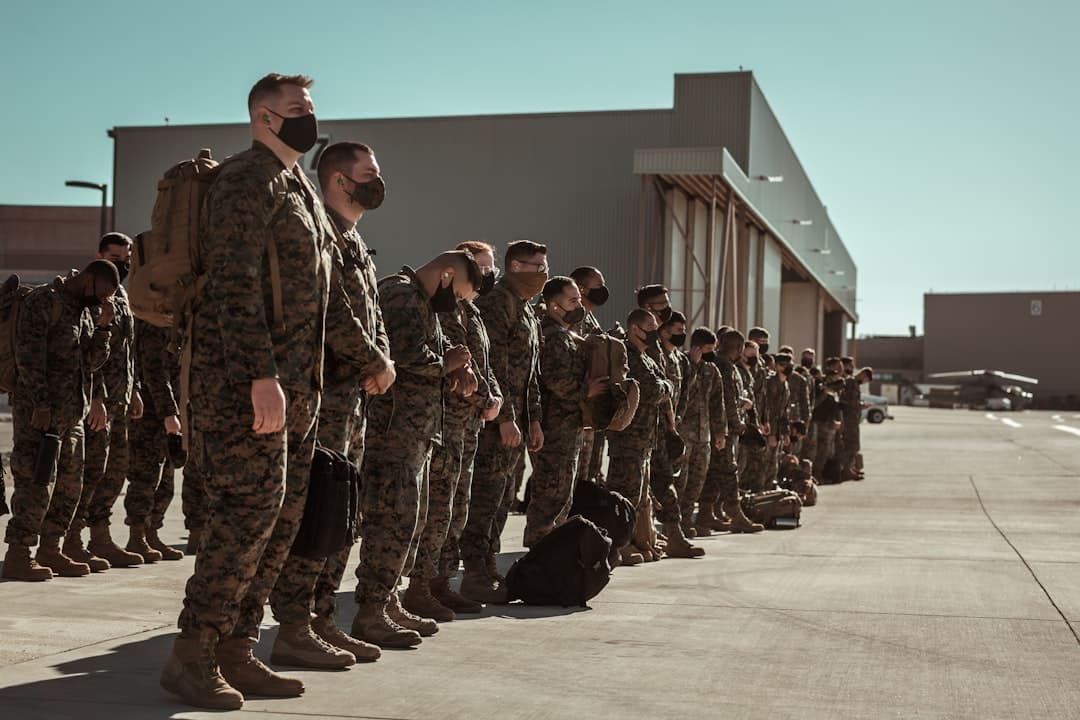
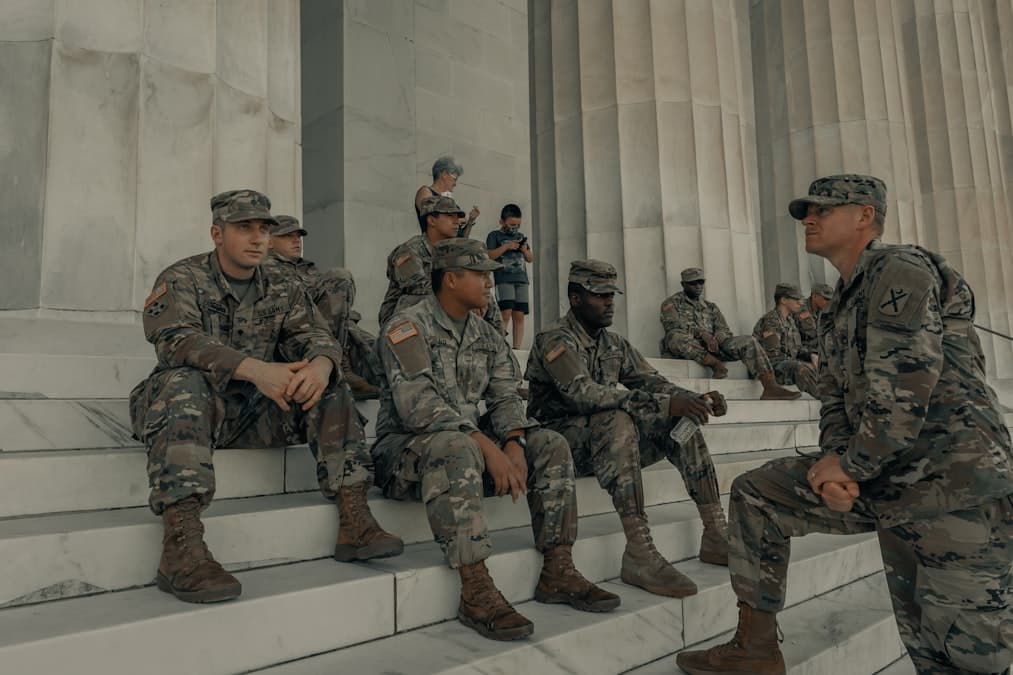
Athletic trainers in military healthcare work as part of the Holistic Health and Fitness (H2F) program in the Army or the Sports Medicine Injury Prevention (SMIP) program in the Marine Corps. Both programs embed ATs directly into military units to provide injury prevention, rehabilitation, movement assessment, and performance optimization for service members.
Through Cognito Systems, a joint venture of Resolution Think and QuarterLine, staffed by PSI, athletic trainers are placed at military installations across the country and around the world. The role is a full-time civilian position — no enlistment, no uniform, no basic training.
The Schedule
The single biggest shock for ATs making the switch is the schedule. Military healthcare AT positions typically run Monday through Friday daytime hours. Home every night. Weekends off. No on-call obligations.
For ATs who have spent years working 50 to 60 hours per week, this feels impossible until they experience it. The schedule is structured around the military training calendar, which operates on a predictable weekday cycle.
The Team
In most traditional settings, ATs work alone. One athletic trainer covering an entire high school, a clinic caseload, or a university athletic department with minimal support.
In military healthcare, ATs work alongside other athletic trainers, dietitians, strength and conditioning coaches, cognitive performance specialists, and physical therapists. The H2F model is built on interdisciplinary collaboration — five domains of human performance working together under one program.
The difference between being the only AT in a building and being part of a team that shares your mission is difficult to overstate.
The Scope of Practice
Military healthcare allows ATs to practice at the top of their license. Movement screening, injury prevention programming, return-to-duty protocols, data collection and outcomes tracking — the work is clinically meaningful and professionally autonomous.
Service members rely on their AT as a primary point of contact for musculoskeletal health. The relationship is direct, the feedback is immediate, and the impact is measurable.
Addressing the Fears
Every AT considering a career change to military healthcare has the same questions. Here are the honest answers.
Do I Have to Enlist?
No. Athletic trainers in H2F and SMIP programs are civilian employees. You show up Monday through Friday, do the work you were trained to do, and go home. You just happen to be doing it for soldiers or Marines instead of student athletes.
Will I Lose My Certification?
No. You practice as a licensed, certified athletic trainer. BOC certification and state licensure requirements still apply. Cognito Systems supports continuing education requirements.
Is This a Permanent Commitment?
No. But most ATs who make the switch stay — not because they are locked in, but because the quality of life is better than what they left behind. The work is meaningful, the hours are reasonable, and the team structure provides professional support that traditional roles lack.
Can I Move Later?
Yes. Cognito Systems places athletic trainers at more than 30 locations across the country and around the world — from Alaska to Hawaii to Japan to Germany. If your life circumstances change, there is often a position available at another installation. Military spouses in particular benefit from this flexibility, as their career can move with their partner.
What About the Pay?
Military healthcare AT positions offer competitive compensation packages that include base salary, benefits, paid time off, and in many cases housing allowances or relocation assistance. The total compensation — when you factor in the 40-hour weeks, benefits, and stability — compares favorably with traditional roles that demand significantly more time.
Making the Switch: Step by Step
Step 1: Research the Programs
Start by understanding the difference between H2F (Army) and SMIP (Marine Corps). Both employ athletic trainers, but they operate under different branches with different installation locations. The blog at athletictrainerjob.com has detailed guides on both programs.
Step 2: Check Your Qualifications
The core requirements are consistent: BOC certification, a master's degree in athletic training or a related field, and state licensure (or eligibility for licensure in the state where the installation is located). Clinical experience in athletic training is expected.
Step 3: Explore Locations
With more than 30 locations available, geography is a real factor. Some locations — Hawaii, Japan, California, Washington — have waitlists because demand is high. Others have openings and are actively hiring. Consider what matters to you: climate, proximity to family, cost of living, adventure.
Step 4: Apply
Open positions are listed at athletictrainerjob.com. The application process goes through Cognito Systems. Interviews are designed to be educational as well as evaluative — the recruiting team wants candidates to fully understand what the role involves before accepting.
Step 5: Prepare for the Transition
Give yourself time to wrap up your current role responsibly. The onboarding process for military healthcare positions includes orientation to the base, the unit, and the H2F or SMIP team structure. Most ATs report that the adjustment is smoother than expected — the clinical work is familiar, and the military culture becomes natural quickly.
What the First Weeks Feel Like
The most common reaction from ATs in their first weeks is disbelief about the schedule. Leaving work at early afternoon on a Tuesday and having nothing work-related to do for the rest of the day is a foreign experience for most athletic trainers.
The second realization is the team. Having colleagues who share the workload, who bring different expertise, and who are genuinely invested in the same outcomes changes the daily experience of the job.
The third is the feedback. Service members tell you directly when your work makes a difference. There is no middleman, no insurance company, no administrator between you and the person you are helping.
The Career You Trained For
Athletic training education prepares professionals for clinical excellence. The gap has always been between that preparation and the reality of most jobs — too many hours, too little support, too narrow a career path.
Military healthcare closes that gap. The work is clinical, autonomous, and team-based. The schedule respects your time. The career path extends beyond clinical work into leadership, program development, data analytics, and policy.
If you have been thinking about a change, the positions are real, the demand is growing, and the ATs who have already made the switch are not looking back.
Explore More
- What Is the Work-Life Balance Like for Athletic Trainers in Military Programs?
- Athletic Trainer Burnout Is Real — Military Healthcare Is the Alternative
- Athletic Trainer Jobs in Military Healthcare: Complete 2026 Guide
Ready to take the next step? View open positions and apply today.
Explore open positions at athletictrainerjob.com.
Ready to Serve? Start Your Military Healthcare Career
Join our team and make a difference serving in Army H2F and Marine Corps SMIP programs across the United States.
Apply Now➜