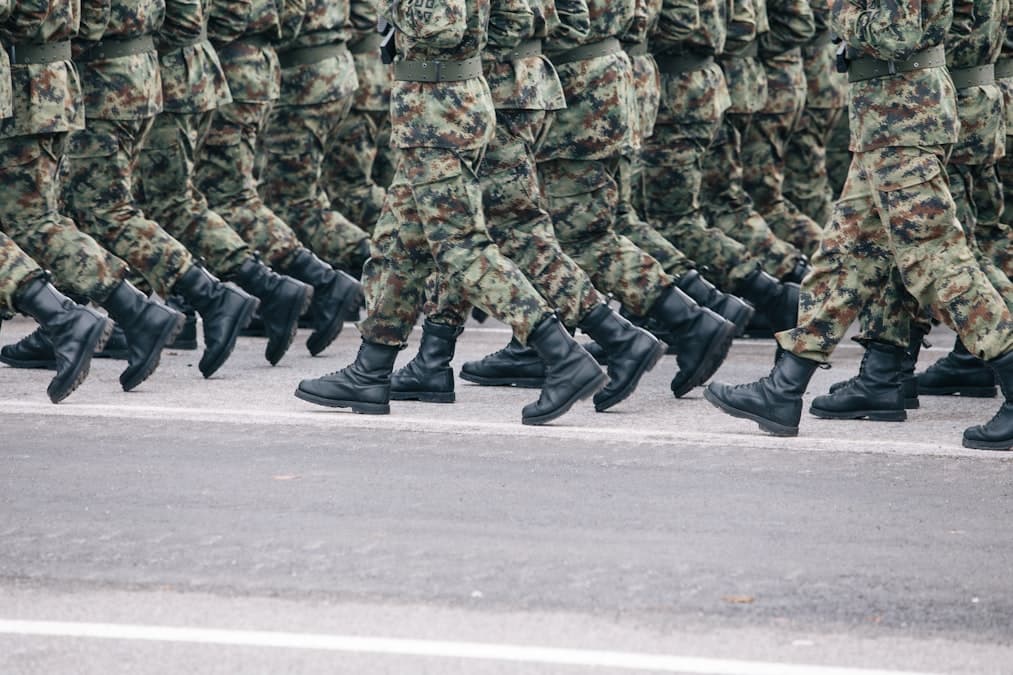
The Army's Holistic Health and Fitness (H2F) program represents one of the most significant expansions of athletic training roles in military healthcare history. With more than 25 installations currently staffed and continued growth projected through 2030, H2F has created a career pathway that many certified athletic trainers are only beginning to discover.
If you are a certified athletic trainer exploring options beyond traditional sports medicine settings, this guide breaks down exactly what the H2F program is, what athletic trainers do within it, where positions are available, what the compensation looks like, and how to apply. Everything here is based on real program data and insights from current H2F professionals.
What Is the Army H2F Program?
The Holistic Health and Fitness program is the Army's primary investment in soldier readiness and injury prevention. Established as a doctrine-driven initiative under Army Regulation, H2F embeds multidisciplinary performance teams directly within brigade combat teams and other operational units across the force.
Unlike traditional military sick call models that treat injuries after they occur, the H2F system takes a proactive approach. It positions athletic trainers, strength and conditioning coaches, physical therapists, occupational therapists, dietitians, and cognitive performance specialists together in dedicated facilities on military installations. This integrated model means soldiers receive coordinated care from professionals who understand their specific physical demands.
The program's scope is substantial. H2F teams operate at installations across the continental United States, Hawaii, Alaska, and overseas locations including Germany and Japan. Each team is embedded with a specific unit, meaning athletic trainers develop ongoing relationships with the soldiers they serve rather than rotating through episodic clinical encounters.
The Athletic Trainer's Role in H2F
Athletic trainers serve as a foundational component of the H2F injury control team. Your primary responsibility is the musculoskeletal health of active-duty soldiers assigned to your supported unit. This includes injury evaluation, treatment, rehabilitation, and return-to-duty decisions.
A typical day in an H2F athletic training role starts early. One current lead athletic trainer with PSI described her daily routine: it begins with assisting the Unbreakable Warrior morning physical readiness training, providing exercise modifications based on each service member's specific injuries. Following that session, the H2F musculoskeletal injury sick call opens, where athletic trainers triage injuries, schedule follow-up care, and begin rehabilitation protocols. The remainder of the day is filled with direct patient care, interdisciplinary team meetings, and clinical documentation.
What distinguishes this role from college or professional sports settings is the breadth of the patient population. Active-duty service members come from a wide range of physical backgrounds. Some arrive at their units with extensive athletic training and competitive sport experience. Others were not physically active before enlisting. This variety means athletic trainers encounter everything from acute traumatic injuries to chronic overuse conditions across a population that spans the full fitness spectrum.
The clinical impact can be profound. One PSI athletic trainer recounted catching a deep vein thrombosis that had developed into bilateral pulmonary embolisms before the condition progressed further. Outcomes like these underscore the level of clinical responsibility H2F athletic trainers carry daily.
How H2F Differs from Traditional Athletic Training Settings
If you are coming from a college athletics background, a sports medicine clinic, or a professional team environment, the H2F setting will feel different in several important ways.
Population Diversity
In college athletics, your patient population is typically young, fit, and participating in defined sports with predictable movement patterns. In H2F, the tactical athlete population includes soldiers performing highly varied physical tasks: rucking with heavy loads, obstacle course training, combatives, airborne operations, and field exercises that can last days or weeks. The range of physical demands is broader than any single sport.
Interdisciplinary Integration
Most traditional settings have athletic trainers working in relative isolation or in small medical staffs. H2F builds true interdisciplinary teams. Athletic trainers work alongside physical therapists, occupational therapists, strength and conditioning coaches, dietitians, and cognitive performance specialists daily. This team-based model expands your professional scope and accelerates skill development.
One H2F program manager at PSI emphasized this collaborative structure, noting that the strongest program outcomes come from how well teams work together, with athletic trainers, medics, and strength coaches each bringing unique strengths. When these professionals coordinate effectively, soldiers see faster recovery, improved performance, and more cohesive care.
Mission-Driven Purpose
The work carries a weight that differs from keeping an athlete in a game. H2F athletic trainers are contributing directly to military readiness. The soldiers you treat deploy to real-world operations. Keeping them healthy, functional, and ready for their mission has consequences that extend well beyond the training room.
Clinical Autonomy
Athletic trainers in the H2F model often operate with greater clinical autonomy than their counterparts in traditional settings. You are the primary musculoskeletal provider for your unit's soldiers, conducting evaluations, making treatment decisions, and managing rehabilitation timelines. This level of responsibility is a significant professional draw for athletic trainers who want to practice at the top of their credential.
The H2F program's mission centers on improving Army readiness by reducing injuries and keeping soldiers healthy. As one program manager put it: "The mission of this program is carried out every day by our athletic trainers in the field. They are the ones directly improving Army readiness, reducing injuries, and keeping Soldiers healthy and mission-ready."
H2F Athletic Trainer Qualifications
To serve as an athletic trainer within the H2F program through a defense contractor like Planned Systems International (PSI), candidates typically need the following:
Required credentials include a Bachelor's degree in Athletic Training (Master's preferred), current BOC (Board of Certification) certification, and an active state license or eligibility for licensure in the state where the installation is located. CPR/AED certification is also required.
Experience expectations vary by role level. Entry-level athletic trainer positions generally require two or more years of clinical experience. Lead athletic trainer roles, which carry supervisory responsibility over a team of athletic trainers, typically require five or more years of experience and demonstrated leadership capability.
Preferred qualifications include experience with tactical or military populations, familiarity with functional movement screening, and proficiency with electronic health record systems. Experience managing rehabilitation programs for physically demanding occupations is valued.
Security requirements include eligibility for a Department of Defense Common Access Card (CAC), which requires passing a background investigation. U.S. citizenship or permanent residency is typically required.
For a more detailed breakdown of specific credentialing and application requirements, see our guide on certifications needed for military athletic training.
Where Are H2F Positions Located?
The H2F program is active at more than 25 Army installations. PSI currently recruits athletic trainers for positions across the following locations, among others:
Continental United States: Fort Riley (Kansas), Fort Carson (Colorado), Fort Campbell (Kentucky), Fort Bragg (North Carolina), Fort Hood (Texas), Fort Stewart (Georgia), Fort Drum (New York), Joint Base Lewis-McChord (Washington), Fort Bliss (Texas), and Fort Polk (Louisiana).
Alaska: Joint Base Elmendorf-Richardson (JBER) in Anchorage.
Hawaii: Schofield Barracks and Wheeler Army Airfield on Oahu.
Overseas: Installations in Germany and Okinawa, Japan.
Each installation presents a different working environment, cost of living, and lifestyle experience. Locations like Fort Carson in Colorado Springs and Schofield Barracks in Hawaii tend to attract strong applicant interest. Installations like Fort Riley in Kansas and JBER in Alaska are often harder to fill, which can mean faster hiring timelines and additional incentives for candidates willing to relocate.
For detailed breakdowns of specific locations, explore our installation guides for Fort Riley, Alaska JBER, and Schofield Barracks.
Compensation and Benefits
Athletic trainers working in H2F positions through government contractors like PSI receive competitive compensation packages that often compare favorably to private sector positions when total value is considered.
H2F athletic trainers receive competitive salary packages that vary by experience level, geographic location, and whether the role is an athletic trainer or lead athletic trainer position. Lead roles command the higher end of the range.
Beyond base salary, the federal benefits package adds significant value. Benefits typically include comprehensive health insurance (medical, dental, vision), 401(k) retirement plan with employer match, paid time off including federal holidays, relocation assistance for certain positions, professional development support, and continuing education allowances.
For positions at overseas locations or high-cost-of-living installations, additional pay differentials or housing allowances may apply. It is worth noting that compensation varies by location, experience, and specific contract terms, so candidates should discuss details during the interview process.
For a comprehensive analysis of compensation, see our detailed guide on athletic trainer salary in government contracting and federal benefits for contract athletic trainers.
The Lead Athletic Trainer Role
Within the H2F structure, lead athletic trainers carry additional responsibilities beyond direct patient care. Lead athletic trainers set the operational tone for their site teams, guiding daily clinical operations, mentoring newer staff members, and ensuring soldiers receive consistent, high-quality care across the installation.
Lead athletic trainers also serve as the primary point of contact between the contracting company and the on-site team, communicating needs, challenges, and successes while providing monthly performance metrics. This dual clinical and administrative role requires strong organizational skills, professional communication, and the ability to manage competing priorities.
When discussing what qualities define successful lead athletic trainers, one H2F program manager at PSI noted that the best candidates are people others naturally trust: strong communicators who stay steady under pressure, handle conflict with professionalism, and consistently show up for both their teammates and the unit they support. The emphasis is on humble leadership rather than hierarchical authority.
How Athletic Trainers Collaborate in H2F
The interdisciplinary model is central to the H2F program's design. Athletic trainers do not operate in isolation. The injury control team typically includes athletic trainers, physical therapists, and occupational therapists working together as a clinical unit.
Beyond the injury control team, athletic trainers coordinate regularly with strength and conditioning coaches for return-to-performance progressions, dietitians for recovery nutrition guidance, and cognitive performance specialists when psychosocial factors are affecting rehabilitation. This cross-disciplinary approach is built into the daily workflow, not reserved for occasional case conferences.
One current lead athletic trainer described this dynamic in practice: her team works closely with physical therapists and occupational therapists as a unit, utilizes the expertise of strength and conditioning coaches for post-rehabilitation performance goals, and regularly involves nutrition and cognitive performance specialists through educational sessions and direct referrals. The team also conducts trainings for unit medics to improve their musculoskeletal evaluation capabilities.
This collaborative environment is frequently cited by current H2F athletic trainers as one of the most professionally rewarding aspects of the role. The opportunity to learn from adjacent disciplines while contributing your own expertise accelerates professional growth in ways that siloed settings cannot replicate.
What Makes Someone Successful in This Role
Based on conversations with current H2F professionals, several qualities consistently distinguish athletic trainers who thrive in this environment:
Organizational discipline. Managing a caseload of soldiers across different companies, battalions, and training schedules requires systematic time management. The pace is steady, and the administrative requirements are real.
Passion for the profession and the population. Athletic trainers who genuinely care about their patients and their coworkers find the military setting deeply fulfilling. The tactical athlete population brings a unique combination of resilience, motivation, and gratitude that many athletic trainers find renewing.
Team orientation. The H2F concept depends on effective collaboration. Athletic trainers who value teamwork over individual recognition integrate most naturally into the program's culture. As one program manager described it, a great cultural fit is someone who values teamwork over ego, respects the unique demands of supporting the Army community, and adapts quickly in a dynamic environment.
Adaptability. Military training schedules shift. Field exercises arise. Deployment preparations accelerate timelines. Athletic trainers who thrive in H2F are comfortable adjusting their plans while maintaining consistent care standards.
Clinical confidence. You are often the first provider to evaluate a musculoskeletal complaint. Comfort with autonomous clinical decision-making and appropriate referral patterns is essential.
How to Apply for H2F Athletic Trainer Positions
The application process for H2F athletic trainer positions through PSI involves several steps:
Step 1: Review open positions. PSI lists current H2F athletic trainer and lead athletic trainer openings on its careers portal. Positions are organized by location, so you can target the installations that match your preferences.
Step 2: Submit your application. Apply through the PSI online portal with your resume, BOC certification verification, and state licensure documentation. A cover letter is recommended but not always required.
Step 3: Initial screening. The PSI talent acquisition team reviews applications for qualification alignment. Candidates who meet the minimum requirements are advanced to an interview.
Step 4: Interview process. Interviews typically include a conversation with the hiring manager and may include a second round with H2F program leadership. Expect questions about your clinical experience, team collaboration approach, and interest in working with military populations.
Step 5: Credentialing and onboarding. Selected candidates complete background screening, CAC card processing, and location-specific orientation before beginning their role on base.
For a detailed walkthrough of the application process, visit our guide on how to apply for H2F athletic trainer positions.
Is the H2F Program Right for You?
The H2F program is not for every athletic trainer. It requires comfort with a structured military environment, willingness to relocate to specific installations, and genuine interest in working with active-duty service members. The daily rhythm differs from college athletics or outpatient clinic settings, and the administrative demands of government contract work are real.
But for athletic trainers who are drawn to mission-driven work, who want to practice with high clinical autonomy within a team-based model, and who are looking for competitive compensation with federal-level benefits, the H2F program offers a career path that is difficult to match in the private sector.
One athletic trainer who made the transition from college athletics to H2F put it simply: working with tactical athletes renewed her love of being an athletic trainer, and the H2F team environment helped grow her skill set in ways she had not anticipated.
If that resonates with you, explore the current openings and take the first step.
Frequently Asked Questions
Q: What does H2F stand for in the Army?
H2F stands for Holistic Health and Fitness. It is the Army's primary program for improving soldier readiness through integrated performance teams that include athletic trainers, strength and conditioning coaches, physical therapists, dietitians, and cognitive performance specialists. The program operates at more than 25 Army installations in the United States and overseas.
Q: Do you need to be in the military to work as an H2F athletic trainer?
No. H2F athletic trainers are civilian employees hired through government contractors like Planned Systems International (PSI). You work on military installations alongside active-duty service members but hold a civilian position with a civilian employer. You do not need prior military service, although familiarity with military culture is helpful.
Q: What is the salary range for H2F athletic trainers?
H2F athletic trainers through government contractors receive competitive salary packages that vary by experience level, role (athletic trainer vs. lead athletic trainer), and geographic location. Total compensation including federal benefits, retirement contributions, and paid time off adds significant additional value. Compensation varies by location, experience, and contract terms.
Q: How many H2F locations are there?
The H2F program currently operates at more than 25 Army installations across the continental United States, Alaska, Hawaii, and overseas locations including Germany and Japan. The program continues to expand as the Army scales its investment in soldier performance and readiness.
Q: What certifications do I need for an H2F athletic trainer position?
At minimum, you need a Bachelor's degree in Athletic Training (Master's preferred), current BOC certification, state licensure or eligibility in the state where the installation is located, and current CPR/AED certification. Most positions also require at least two years of clinical experience, with lead roles requiring five or more years.
Explore More
- H2F Athletic Trainer Responsibilities: Daily Duties
- Athletic Trainer Jobs in Military Healthcare: Complete 2026 Guide
Ready to take the next step? View open positions and apply today.
Ready to Serve? Start Your Military Healthcare Career
Join our team and make a difference serving in Army H2F and Marine Corps SMIP programs across the United States.
Apply Now➜